Fire safety is a critical concern for any business operating in the United States.
We’ll explain why training matters, how to prepare for inspections, and what best practices help businesses stay compliant year after year.
By the end, you’ll have a practical roadmap for ensuring your office meets the highest fire safety standards and safeguards your most valuable assets: your people.
Why Fire Safety Matters in US Offices
According to the National Fire Protection Association (NFPA), thousands of commercial fires occur each year, causing billions in property damage and tragic losses of life.
Fire safety in the workplace protects more than just assets—it safeguards employees and visitors from harm.
In the US, workplace fire safety is regulated by a mix of national standards (like NFPA guidelines) and local fire codes.
Understanding Fire Warden (Brigade) Training Requirements
This training is essential for ensuring that offices can respond quickly and safely if a fire breaks out.
Employers are responsible for selecting suitable fire wardens and ensuring they receive regular training updates.
Choosing a certified training provider is critical.
Keeping Fire Safety Documentation and Certifications Up to Date
These certifications confirm that the office has adequate fire alarms, extinguishers, evacuation plans, signage, and trained personnel in place.
Review your emergency action plan, ensuring it’s accessible and clearly communicated to all staff members.
Certification isn’t a one-time event—renewals are typically required every few years or after major renovations or occupancy changes.
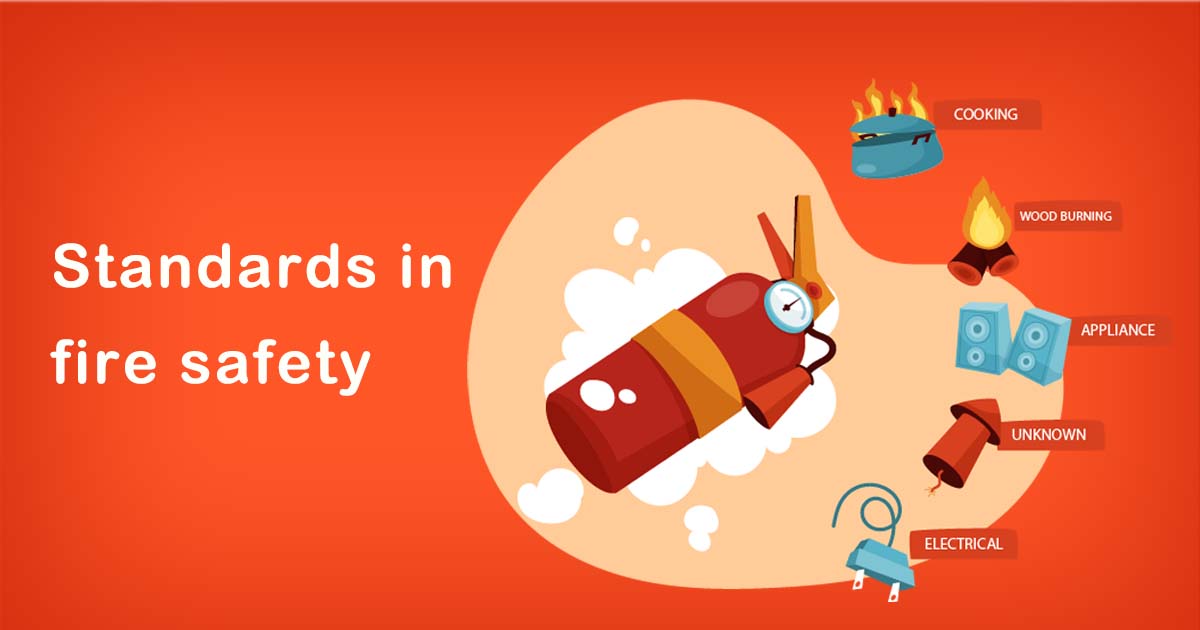
Ongoing Strategies for Workplace Fire Prevention
This includes routine equipment checks, clear communication, and fostering a culture where all employees understand their role in fire prevention.
Post updated evacuation maps in visible locations, especially near elevators, stairwells, and communal areas.
Host periodic refresher trainings, conduct surprise fire drills, and encourage team leaders to review emergency plans during staff meetings.
Understanding the Risks of Non-Compliance in Fire Safety
Non-compliance can lead to fines, lawsuits, business license suspension, or even criminal liability if negligence results in harm.
Many commercial insurance policies require proof of current fire safety certifications, maintenance logs, and training records.
Investing in compliance is not just about avoiding penalties—it’s about protecting your assets, your team, and your future.
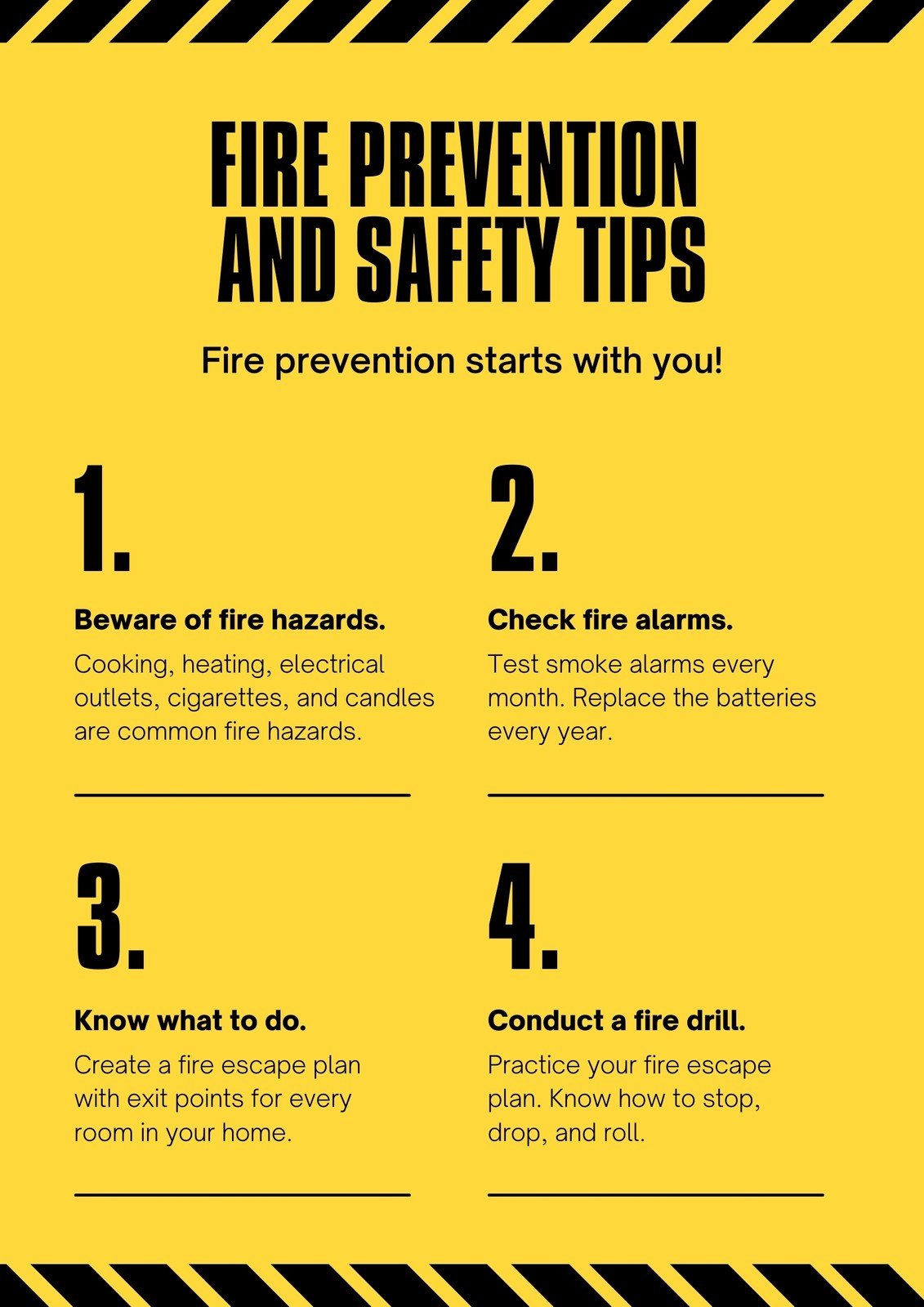
Conclusion: Building a Fire-Safe Workplace
Creating a fire-safe workplace is not just about ticking regulatory boxes—it’s about protecting lives, preserving property, and fostering a culture of responsibility.
They not only meet legal obligations but also build trust with employees, clients, and insurers.
Keep your team informed, your equipment updated, and your plans reviewed regularly.
Common Questions on Workplace Fire Prevention
Which employees should receive fire brigade training?
Larger offices may require multiple wardens to cover all floors or departments.
What is the renewal period for fire safety compliance?
Some certifications also need updates after renovations, equipment changes, or occupancy shifts.
What are common causes of office fires?
Common causes include electrical malfunctions, overloaded power strips, kitchen accidents, improperly stored flammable materials, and heating equipment issues.
Can non-compliance void my business insurance?
Failing to meet these standards may reduce payout or lead to denied claims in case of a fire.
What elements make up a solid fire emergency plan?
It should be clearly communicated, posted in visible areas, and reviewed regularly with staff.
riscos de incêndio acesse o link